Germany
Escape the City: 10 Picturesque Villages Near Düsseldorf and Köln for a Day Trip
1. Zons
This charming medieval town sits on the west bank of the Rhine River and is famous for its nearly intact city walls and 13 towers dating back to the 14th century. Walking through its cobbled streets lined with half-timbered houses feels like stepping back in time, making it an ideal spot for history lovers and peaceful strolls.
Where to Eat: For a traditional German meal, head to Stratos Dining Zons or Fährhaus Zons. If you want something sweet, stop by Zonser Eis Manufaktur—perfect for enjoying while strolling along the city.
Local Tips: Try to visit during the Medieval Festival in summer when the streets come alive with costumes, markets, and performances. Since the village is pedestrian-only, it’s best to park outside the walls. Early mornings offer a quieter experience and beautiful light for photos. Nearby riverside trails are great for a relaxing walk or bike ride
2. Kettwig
Nestled along the Ruhr River, Kettwig is a picturesque district of Essen known for its charming old town with historic half-timbered houses and narrow cobbled streets. Once an independent town, it retains a cozy village feel, surrounded by nature and waterways, making it a lovely spot for history buffs and nature lovers alike.
What to See: Stroll through the well-preserved old town center, admire the beautiful St. Peter’s Church with its Baroque altar, and walk along the Ruhr River promenade. Don’t miss the old water mill and the remnants of the medieval town walls. Just 15. minutes away. visit Villa Hügel.
Where to Eat: For traditional German fare, try Zur Linde, which offers hearty meals and a welcoming atmosphere.
Local Tips: Visit during the annual Kettwig City Festival, when the streets fill with music, food stalls, and local crafts. The town is easily walkable, but renting a bike is a great way to explore the Ruhr River trails nearby. Weekdays are quieter for enjoying the peaceful riverside walks and the charming all
3. stolberg
Nestled in the picturesque Harz Mountains, Stolberg is renowned for its well-preserved medieval architecture, including over 380 half-timbered houses. The town’s rich history is evident in its cobblestone streets and historic buildings, offering visitors a glimpse into its past.
What to See: Explore the Stolberg Castle, dating back to the 13th century, which now serves as a museum and event venue. Visit the Alte Münze Museum to discover the town’s minting history. Don’t miss the Josephskreuz, a double-cross-shaped observation tower offering panoramic views of the surrounding landscape.
Where to Eat: For traditional German cuisine, visit Gasthaus Kupfer, a historic hotel known for its hearty meals and cozy atmosphere.
4. monschau
Nestled in the Eifel region, Monschau is a picturesque town renowned for its half-timbered houses, cobblestone streets, and rich history. Awarded “Germany’s Most Beautiful Small Town” in 2024, it offers a blend of cultural heritage and natural beauty.
What to See: Stroll through the historic Old Town, where narrow alleys reveal charming boutiques and traditional architecture. Visit the 13th-century Monschau Castle, which overlooks the town and hosts various events. Don’t miss the Rotes Haus (Red House), an 18th-century mansion that showcases the lifestyle of a wealthy Scheibler family.
Where to Eat: For traditional German cuisine, dine at Zum Haller, located on the market square with views of the Rur River. For a sweet treat, visit Eiscafé Da Graziella, known for its homemade ice creams. Always have with. you cash in Monschau. Always carry cash when visiting Monschau—many restaurants and cafés still don’t accept card payments. And don’t miss the chance to try the Apfelstrudel! It’s a local favorite and often sells out early in nearly every place that serves it.
5. HATTINGEN
Nestled along the Ruhr River, Hattingen is a hidden gem in North Rhine-Westphalia, blending medieval charm with industrial heritage. Its well-preserved half-timbered houses, historic sites, and scenic landscapes make it a delightful destination for history enthusiasts and nature lovers alike.
What to See: Begin your exploration in the enchanting Altstadt (Old Town), where narrow cobblestone streets wind past beautifully restored half-timbered houses. The Malerwinkel, with its picturesque houses and the leaning tower of St. George’s Church, offers one of the most iconic views in Hattingen. Don’t miss the Kirchplatz, the heart of the old town, which has retained its medieval layout and is considered one of the most beautiful squares in North Rhine-Westphalia. The Alte Rathaus, built in 1576, stands as a testament to the town’s rich history.
Best Museum: The LWL-Industriemuseum Henrichshütte is a must-visit. This former iron and steel works now serves as an industrial museum, featuring the oldest blast furnace in the region. Visitors can explore the massive gas engines, enjoy panoramic views from the blast furnace, and witness live demonstrations in the show foundry.
Where to Eat: For a taste of regional cuisine, dine at Diergardts Kühler Grund, a family-run restaurant since 1904, known for its traditional dishes and seasonal menus. If you’re in the mood for Italian, Ristorante Pizzeria Barbone offers authentic flavors in a cozy setting. For a delightful café experience, Café Adele is a local favorite, perfect for enjoying homemade pastries and a warm atmosphere.
Local Tips: Hattingen hosts several annual events that bring the town to life. The Altstadtfest in summer features live music, local crafts, and culinary delights, while the traditional Weihnachtsmarkt transforms the old town into a festive wonderland during the holiday season.
6. LANGENBERG
Perched on the hills of the Bergisches Land, Langenberg is a quiet, romantic village known for its winding streets, historic charm, and peaceful atmosphere. Often overlooked, it feels like a step away from the busier cities nearby.
What to See: Wander through the historic Altstadt, where narrow lanes curve gently past slate-covered houses and small artisan shops. The Alte Kirche (Old Church) sits above the town and offers lovely views over the rooftops and surrounding hills. The steep streets and stairways give Langenberg its unique character—perfect for slow exploring and photography.
Best Museum: The Deutsches Schloss- und Beschlägemuseum in nearby Velbert is worth a short trip. It showcases the region’s long tradition of lock and metal craftsmanship, with interactive exhibits and historical collections.
Where to Eat: For a cozy local experience, try Bauernstube Langenberg, known for hearty regional dishes. Café Kirchplatz is a great stop for coffee and cake, especially on a sunny afternoon. For something more refined, Paciello offers Italian cuisine with a modern touch.
Local Tips: Langenberg is especially atmospheric in autumn, when the surrounding hills turn golden. Visit on a weekday if you want the quietest experience—weekends bring a gentle but noticeable increase in visitors.
7. königswinter
Located along the Rhine at the foot of the Siebengebirge hills, Königswinter combines riverside elegance with mountain scenery and legendary views.
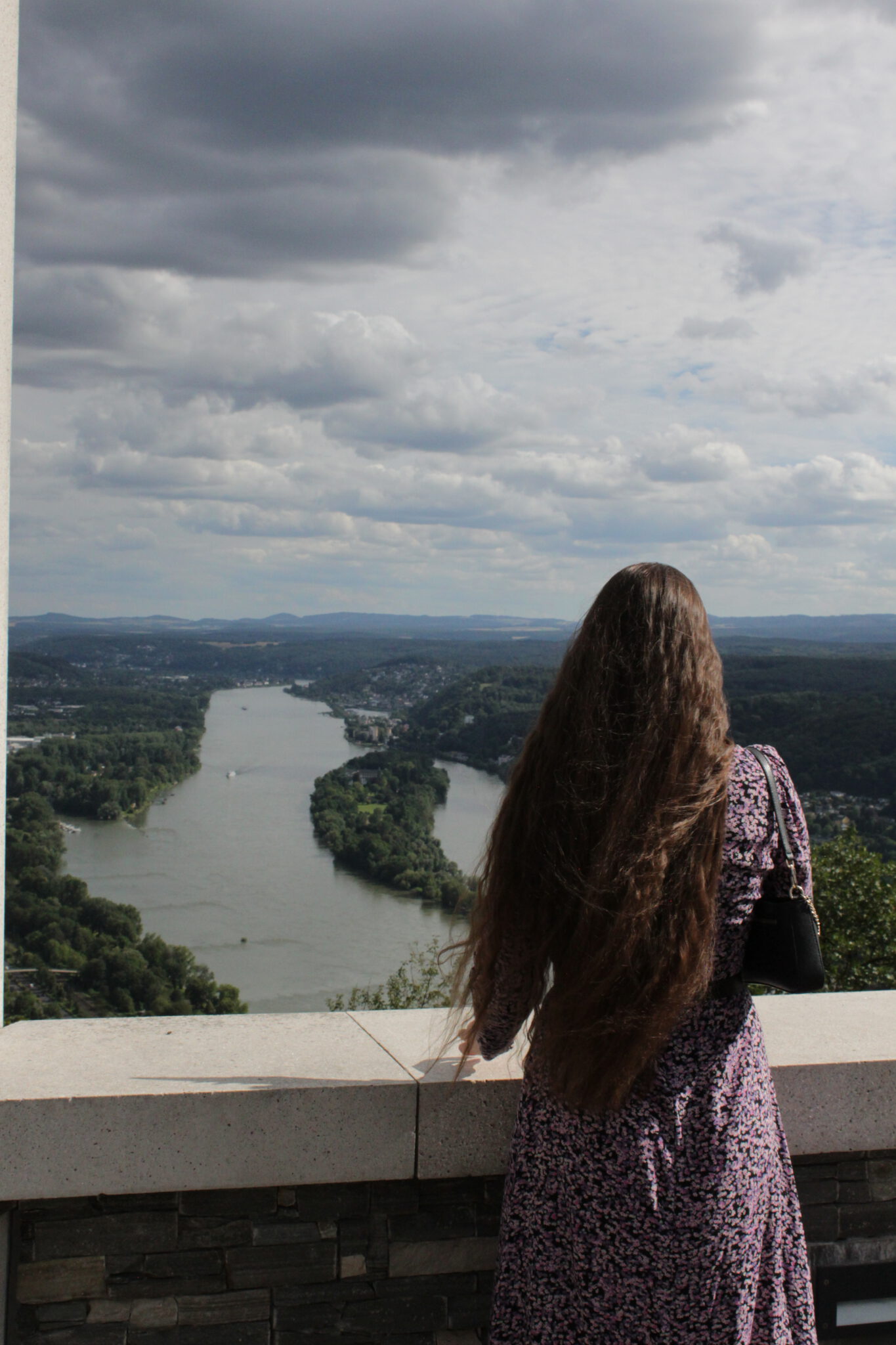
What to See: Stroll along the Rhine promenade before heading up to the famous Drachenfels, either by hiking trail or the historic cog railway. At the top, you’ll find sweeping views of the Rhine Valley and the romantic ruins of Burg Drachenfels. Nearby Schloss Drachenburg, a 19th-century palace, looks like something out of a fairy tale.
Best Museum: Schloss Drachenburg itself doubles as a museum, with lavishly restored interiors that reflect 19th-century aristocratic life. The exhibits provide insight into both architecture and regional history.
Where to Eat: Weinhaus Winzerhäuschen is a charming spot for traditional German food and local wines. For something casual with a view, Café am Drachenfels offers simple dishes and unforgettable scenery. Rheinterrassen Königswinter is ideal for dining right by the water.
Local Tips: Go early in the morning or late afternoon to avoid crowds on the Drachenfels. The sunsets over the Rhine here are particularly memorable.
8. Cochem
Set dramatically along the Moselle River, Cochem is a postcard-perfect town known for its vineyards, river views, and towering castle.
What to See: The Reichsburg Cochem dominates the skyline and is a must-visit. Below, the old town features colorful houses, a lively market square, and scenic riverfront paths. A boat ride on the Moselle offers a different perspective of the town and surrounding vineyards.
Best Museum: The Reichsburg itself serves as a museum, with guided tours showcasing historic rooms, medieval artifacts, and stories of the castle’s past.
Where to Eat: Gaststätte Noss is a local favorite for traditional German dishes. For wine lovers, Weinstube Hieronimi offers regional wines paired with local specialties. Café Flair is great for desserts and riverside views.
Local Tips: Climb up to the castle rather than taking transport if you can—the views along the way are worth it. Autumn is harvest season, making it the best time for wine and festivals.
9. KREFELD-LINN
A beautifully preserved historic district, Linn feels like a small medieval village frozen in time, complete with cobbled streets and castle walls.
What to See: The highlight is Burg Linn, a moated castle surrounded by parkland. The old town around it is filled with half-timbered houses, small squares, and quiet alleys. The atmosphere is especially magical in the early morning or evening.
Best Museum: The Burg Linn Museum complex includes several parts: the castle itself, a hunting lodge, and archaeological exhibits. Together, they offer a deep dive into medieval life and local history.
Where to Eat: Try Höfchen am Schloss for traditional cuisine in a rustic setting. Café Kornblume is perfect for a relaxed coffee break with homemade cakes. For something more modern, Villa Medici offers Italian dishes nearby.
Local Tips: Visit during the Flachsmarkt (linen market), one of the largest medieval festivals in Germany, where craftspeople and performers bring the town to life.
10. Brühl
Elegant and refined, Brühl is best known for its UNESCO-listed palaces and beautifully landscaped gardens.
What to See: Schloss Augustusburg is the centerpiece, a stunning Baroque palace surrounded by formal gardens. Nearby, Schloss Falkenlust offers a more intimate glimpse into aristocratic life. The palace park is perfect for a leisurely stroll.
Best Museum: The interiors of Schloss Augustusburg function as a museum, showcasing opulent rooms, grand staircases, and fine decorative arts from the 18th century.
Where to Eat: For upscale dining, try Restaurant Schlossgarten inside the palace grounds. Café Konditorei Wahlen is a classic spot for coffee and pastries. For something casual, Zum Alten Brauhaus serves hearty German fare.
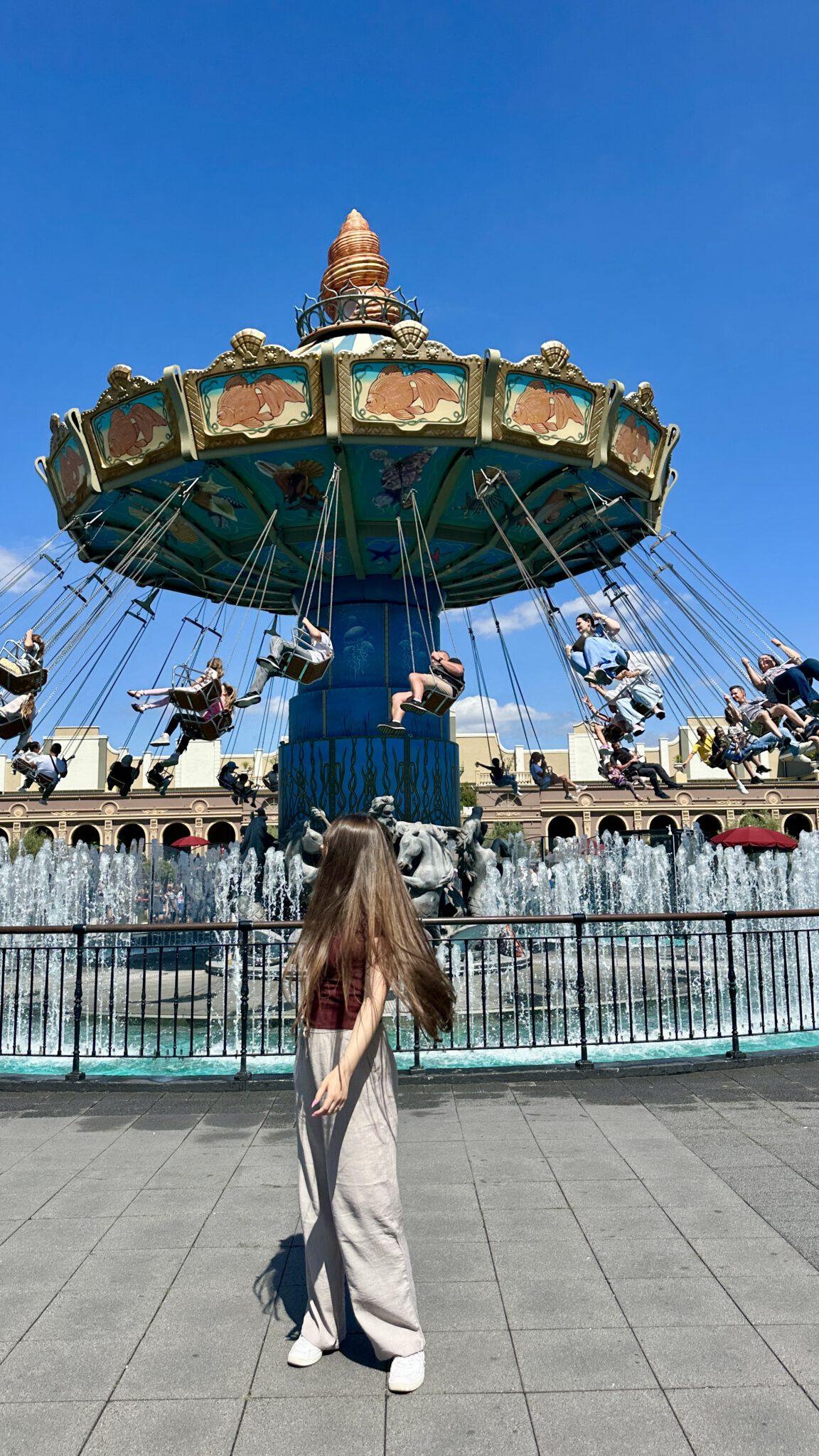
Local Tips: Combine your visit with a walk through the gardens—they’re just as impressive as the palace itself. Brühl is also home to Phantasialand, one of Germany’s top theme parks, if you want to mix culture with fun.